
Last Updated: November 24, 2026
Quick Summary
The best amplifiers for gigging musicians in 2026 are lightweight combos with clean, pedal-friendly platforms and usable direct outs, because modern stages reward portability and PA integration over raw wattage. Top picks include the Boss Katana 50 Gen 3 at $299.99, the Roland JC-120 Jazz Chorus at $1,399.99, and the Hiwatt Leeds 50R at $439.99.
- Combos remain the default gigging format because they are one trip from the car.
- The Roland JC-120 has been in continuous production since 1975 and costs $1,399.99.
- The Hiwatt Leeds 50R pairs an analog MOSFET preamp with a 50-watt power amp for $439.99.
- GR Bass heads weigh between 2.86 and 7.82 lbs, with the MINI One 350 at 2.86 lbs.
- For rooms of 100-300 capacity with PA support, 50 watts plus a balanced direct out is the sweet spot.
Table of Contents
- What is the best amp for a gigging guitarist in 2026?
- Quick Comparison: Best Amplifiers for Gigging Musicians 2026
- Best Combo Amps for Gigging: Tube, Solid-State, and Hybrid Picks
- Best Modeling Amps for Live Performance: Flexibility Without the Fracture
- Best Amplifiers for Gigging Musicians 2026 Bass: Lightweight Heads That Carry the Room
- What Size Amp Do I Need for Gigging? Wattage, Headroom, and Room Size
- DI/PA Integration and Pedal Platform Compatibility: The Gigging Angles That Matter
- Shop Gig-Ready Amps at Specialty Traders
- Frequently Asked Questions
What is the best amp for a gigging guitarist in 2026?
The best amp for a gigging guitarist in 2026 is a lightweight combo with a clean, pedal-friendly platform and a usable direct out, because modern stages reward portability and PA integration more than raw wattage.
The throughline: the best amplifiers for gigging musicians in 2026 are chosen for logistics and reliability first, tone second.
Below, we break down the best amplifiers for gigging musicians in 2026 by category, with real specs, honest trade-offs, and the angles most roundups skip: pedal platform compatibility, DI and PA integration, weight-to-power ratio, and maintenance. For the wider picture, see our roundup of the 7 best professional gigging gear picks for 2026.
Quick Comparison: Best Amplifiers for Gigging Musicians 2026
Here's the short version.
| Amp | Type | Price | Best For |
|---|---|---|---|
| Boss Katana 50 Gen 3 | Modeling combo | $299.99 | All-around workhorse |
| Roland JC-120 Jazz Chorus | Solid-state combo | $1,399.99 | Clean pedal platform |
| Hiwatt Leeds 50R | Analog MOSFET combo | $439.99 | Budget analog tone |
| GR Bass DUAL 1400 | Bass head | $1,429.00 | Two-channel bass rigs |
| GR Bass ONE 800 | Bass head | $1,099.00 | Lightweight bass power |
| GR Bass MINI One 350 | Bass head | $599.00 | Small-room bass |
Price
Best Combo Amps for Gigging: Tube, Solid-State, and Hybrid Picks
Combos remain the default gigging format because they're one trip from the car. Our guide to the 7 best electric guitars for gigging musicians pairs well with any of these.
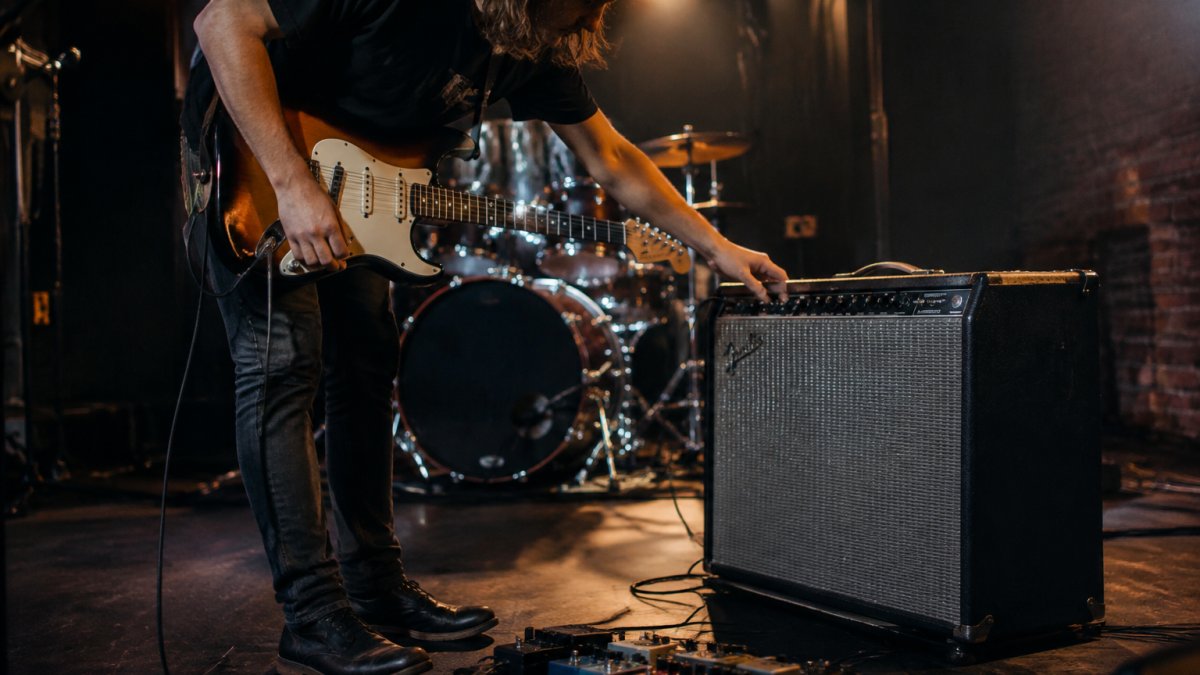
Boss Katana 50 Gen 3: The 50-Watt Workhorse
The Katana 50 Gen 3 is a strong first gigging amp, and at $299.99 it's an accessible option. It packs 50 watts of Class AB power into a compact 1x12 combo with six amp characters and five independent effects sections.
Best for: players who want one amp for practice, stage, and recording. Skip if: you need a true tube feel and nothing else will do.
Roland JC-120 Jazz Chorus: The Clean Pedal Platform
The JC-120 is known for its clean tone (Roland - JC-120). This 120-watt stereo 2x12 has been in continuous production since 1975, and its transparent "JC clean" signature preserves the character of whatever you put in front of it.
At $1,399.99, it's a significant investment.
Best for: pedal-heavy players who want an uncolored foundation. Skip if: you need light weight or onboard dirt.
Hiwatt Leeds 50R: Analog MOSFET Tone on a Budget
The Leeds 50R delivers classic Hiwatt flavor through an analog MOSFET preamp paired with a 50-watt power amp.
At $439.99, it's an accessibly priced analog option. The 1/4-inch direct output gives you a simple path to the house PA, and the external speaker jack opens up cabinet options.
Best for: budget-conscious players chasing analog warmth. Skip if: you want deep digital editing or modeling.
Best Modeling Amps for Live Performance: Flexibility Without the Fracture
A modeling amp can provide many tones from one unit. The Katana 50 Gen 3 offers six amp characters, each with a variation, and over 60 onboard effects.
The Katana 50 Gen 3 includes four Tone Setting memories for storing amp and effect settings.
The honest limitation: modeling still asks you to trust a menu. Players who want every knob visible at a glance may prefer the JC-120 or the Leeds; everyone else gets a flexible middle ground.
Best Amplifiers for Gigging Musicians 2026 Bass: Lightweight Heads That Carry the Room
Bass rigs have quietly become the most portable part of a backline. The GR Bass heads here weigh between 2.86 and 7.82 lbs.
Bass Player magazine's coverage of lightweight amp design has tracked this shift toward compact Class D power for years. The trade-off is that you now rely more on your cabinet and DI to fill the room.
GR Bass DUAL 1400: Two Channels, Two DI Outs, One Rack Space
The DUAL 1400 runs two separate channels, one with an overdrive, each with a four-band EQ and six selectable mid frequencies. It includes two DI outputs.
It is rated at 1400 watts RMS into 4 ohms and weighs 7.82 lbs. At $1,429.00, it is priced as listed.
Best for: bassists running clean and dirty tones in one set. Skip if: you want a simple single-channel head.
GR Bass ONE 800 and MINI One 350: Pick Your Power-to-Weight Ratio
The ONE 800 is rated at 800 watts RMS into 4 ohms and weighs 5.18 lbs, with a four-band EQ and a "PURE" switch that bypasses EQ. The MINI One 350 is the smallest in the series at 2.86 lbs, pushing 350 watts into 4 ohms with a three-band EQ.
Both include a DI output. Choose the ONE 800 for headroom on larger stages and the MINI One 350 for small rooms and rehearsals. Bassists who want a purchasable solid-state head option can shop the Randall RG1003H 100-watt solid-state amplifier head as another route.
What Size Amp Do I Need for Gigging? Wattage, Headroom, and Room Size
Wattage is easier to judge once you tie it to three variables: room size, drummer volume, and whether the house has a PA. A 50-watt tube combo and a 50-watt solid-state combo do not behave the same. Buy clean headroom for the loudest room you actually play, then use the master volume everywhere else.
Here is how the math shakes out in practice:
- Small clubs and cafes (under 100 capacity): 25-50 watts solid-state or 15-30 watts tube is enough, especially if the drummer is under control. A 50-watt modeling combo like the Katana 50 Gen 3 is one option for rooms of this size.
- Mid-size rooms with PA support (100-300 capacity): 50 watts plus a balanced direct out is the sweet spot. The amp is your stage monitor; the PA does the heavy lifting.
- Larger stages and loud bands (300+ capacity, or no PA): 100 watts or a head with strong clean headroom into a 2x12 or 4x10. If the drummer is unmiked and heavy-handed, a 50-watt combo will run out of clean before the kit does.
Headroom is the real currency. A clean 50-watt amp at moderate volume usually sounds more open than a 100-watt amp pushed to its limits, because the power section is not compressing.
Speaker sensitivity matters as much as wattage. A 100 dB-sensitive 12-inch speaker can make a 30-watt combo feel louder than a 50-watt combo with a 96 dB speaker. Check speaker efficiency before you assume the higher-power amp wins.
Weight-to-Power Ratio: The Number Most Buyers Ignore
The weight-to-power ratio is the spec that decides whether you still enjoy gigging in five years. Divide the amp's weight in pounds by its wattage to get pounds per watt; lower is better for your back. Here is how the amps in this guide compare:
| Amp | Pounds per Watt |
|---|---|
| Roland JC-120 | 0.51 |
| Hiwatt Leeds 50R | ~0.70 |
| Boss Katana 50 Gen 3 | ~0.50 |
| GR Bass DUAL 1400 | 0.006 |
| GR Bass ONE 800 | 0.006 |
| GR Bass MINI One 350 | 0.008 |
The pattern is stark: bass heads have collapsed in weight while guitar combos still carry real heft. When that load-in math makes owning a heavier rig impractical, renting professional guitar amplifiers can keep the sound you need within reach without adding another burden to the van.
Watch out: wattage ratings are not standardized across manufacturers. Some brands rate at 4 ohms, some at 8, and some quote peak rather than RMS. Compare RMS into the same impedance before you trust the number.
Match the amp to the room and the PA, not to the spec sheet. If the venue has a solid house system, a smaller amp with a good direct out is all you need.
DI/PA Integration and Pedal Platform Compatibility: The Gigging Angles That Matter
DI and PA integration is what separates a gig-ready amp from a bedroom amp in 2026, because most venues now expect you to feed the house system. A balanced XLR or 1/4-inch direct out with cabinet simulation lets the sound engineer place you in the mix without mic'ing your cab, faster, more consistent, and quieter on stage.
DI/PA Integration Strategies That Actually Work
The goal is to reduce stage volume while keeping your tone intact. Here is how the amps in this guide handle it:
- Use the direct out with cabinet simulation when available. The Leeds 50R includes a 1/4-inch direct output.
- Send a clean and a dirty signal separately if the amp allows it. The GR Bass DUAL 1400 includes two DI outputs.
- Keep stage volume low and let the PA do the work. A 50-watt combo turned up to 3 with a direct out to the house is usually louder in the room than the same amp cranked to 8 with no PA support, and the engineer can actually mix you.
Sound on Sound's guide to live DI and amp modeling explains why cabinet simulation on direct outs has become standard for touring players.
Pedal Platform Compatibility: What to Test Before You Buy
Pedal platform compatibility comes down to a clean, uncolored base and a signal chain that does not fight your board.
Here is what to test when you audition an amp as a pedal platform:
- Headroom on the clean channel. Can the amp stay clean with a boost or overdrive in front, or does it break up immediately? A pedal platform needs enough clean headroom to accept gain pedals without turning to mush.
- Effects loop quality. A serial loop is simpler; a parallel loop lets you blend wet and dry. The JC-120's stereo effects loop and the Leeds' FX loop both handle time-based effects well. Put time-based effects in the loop, drive pedals in front, and keep your levels consistent so the house engineer is not chasing you all night.
- Input sensitivity. Some amps compress heavily at the input, which squashes the dynamics of your drive pedals. Look for an amp that stays open and responsive.
If you are building a DI-friendly rack rig, the BBE BMAX-T rack mount tube bass preamp offers DI-ready routing for live use.
Watch out: a pedal platform that sounds great at bedroom volume can behave differently at gig volume.
The best amplifiers for gigging musicians in 2026 are the ones that feed the PA cleanly and accept your pedals without coloring them.
Shop Gig-Ready Amps at Specialty Traders
Choosing the best amplifiers for gigging musicians in 2026 comes down to matching power, weight, and connectivity to the rooms you actually play. Our picks load in easily, feed the PA cleanly, and hold up to road use.
We're a family-owned shop with over 25 years in the music retail business, and our staff will help you match an amp to your rig and your gig schedule. You can shop gig-ready amps at Specialty Traders and get a knowledgeable answer before you buy.
The gear that survives a working musician's calendar is the gear that shows up reliably, night after night.
Frequently Asked Questions
Are tube or solid-state amps better for gigging?
It depends on how much volume control you have at the venue. Tube amps deliver natural compression and harmonic richness, but they need to be pushed to sound their best, which can be too loud for small rooms. Solid-state and modeling amps like the Boss Katana 50 Gen 3 offer consistent tone at any volume and weigh less. Many working players choose a modeling or hybrid amp for reliability and portability, then keep a tube amp for studio or large-stage dates.
What size amp do I need for gigging?
For most club and bar gigs with a PA, 30 to 50 watts of tube power or 50 to 100 watts of solid-state power is enough. A 50-watt 1x12 combo such as the Boss Katana 50 Gen 3 covers small to mid-size rooms without breaking your back. If you play unmic'd outdoor stages or loud rock bills, step up to 100 watts or more. Bass players generally need more wattage: 350 to 800 watts is common for keeping up with a full band.
Do gigging guitarists need an amp with an effects loop?
An effects loop lets you place time-based pedals like delay and reverb after the preamp, which keeps them from distorting. If you rely on pedals for your core tone, a loop is worth having. The Hiwatt Leeds 50R includes an FX loop, and the Roland JC-120 offers a stereo effects loop. Players who get all their gain from pedals into a clean amp can often skip the loop and run everything in front.
Is a modeling amp a good choice for live performances?
Yes, especially for players who need multiple tones without hauling multiple amps. The Boss Katana 50 Gen 3 gives you six amp characters, five effects sections, and four memory slots for recalling setups mid-set. Modeling amps also tend to be lighter and more consistent from room to room than tube amps. The trade-off is that some players prefer the feel of analog circuitry, so try one at stage volume before committing.
What is the difference between a guitar amp and a bass amp for gigging?
Guitar amps are voiced for midrange punch and typically run 15 to 100 watts, while bass amps need far more power and speaker surface area to reproduce low frequencies cleanly. A bass head like the GR Bass ONE 800 pushes 800 watts RMS at 4 ohms and includes a DI output built for house PA systems. Plugging a bass into a guitar amp at gig volume can damage the speaker, so match the amp to the instrument.
